Are You More Likely To Get Breast Cancer After Menopause / Https Www Northwell Edu Sites Northwell Edu Files 2020 09 Breast 20cancer 20risk 20factors 20 282020 29 Pdf - Fibrocystic changes are another common reason for lumpy, painful breasts.. By liz scherer february 2, 2021 most helpful We know about several gene faults that can increase breast cancer risk and there are tests for some of them. Increased exposure to hormones, such as estrogen increased number of ovulations ovulation occurs when the ovary releases eggs. A second breast cancer (this is different from the first cancer coming back.) It also appears the longer your breast tissue is exposed to estrogen, the greater your breast cancer risk.
A second breast cancer (this is different from the first cancer coming back.) Every 10 kilograms of postmenopausal weight gain is associated with an 18 percent relative increased risk. We know about several gene faults that can increase breast cancer risk and there are tests for some of them. Sometimes they go away after menopause, but they can stick around, especially if you take hormone replacement therapy(hrt). By liz scherer february 2, 2021 most helpful
Breast Cancer Signs Symptoms Causes Treatments And More from images.ctfassets.net However, the rates of many cancers, including breast cancer, do increase with age. A second breast cancer (this is different from the first cancer coming back.) Coffee may help prevent prostate cancer, heart risk for men with breast cancer, and more cancer news from january 2021. A woman who experiences menopause after age 55 has an increased risk of ovarian, breast, and uterine cancers. During a woman's menstrual cycle, estrogen stimulates the uterus and breast tissue. The risk is greater if a woman also began menstruating before age 12. You are more likely to have breast pain before menopause than after menopause.also try to cut down on your caffeine intake.best wishes. Every 10 kilograms of postmenopausal weight gain is associated with an 18 percent relative increased risk.
A pooled analysis of data from 117 studies looked at the age at menopause and breast cancer risk.
Menopause itself doesn't boost your breast cancer risk, but growing older does. One of the strongest risk factors linked to uterine cancer is obesity. A 2008 study showed that women whose breast density decreased by 10% or more within the first year or so on tamoxifen were 63% less likely to develop breast cancer than women taking a placebo. Women who go through menopause later in life have an increased risk of breast cancer compared to women who go through menopause earlier. The risk is greater if a woman also began menstruating before age 12. Also, women who are overweight tend to have higher levels of insulin, another hormone. That's probably because she's been exposed to more estrogen. Applying ice packs or warm compresses. This is part of a larger pattern of people generally fearing the wrong things, and acting accordingly. Increased exposure to hormones, such as estrogen increased number of ovulations ovulation occurs when the ovary releases eggs. All of these involuntary actions tend to change the breast size and shape. The peaks and troughs of. Every 10 kilograms of postmenopausal weight gain is associated with an 18 percent relative increased risk.
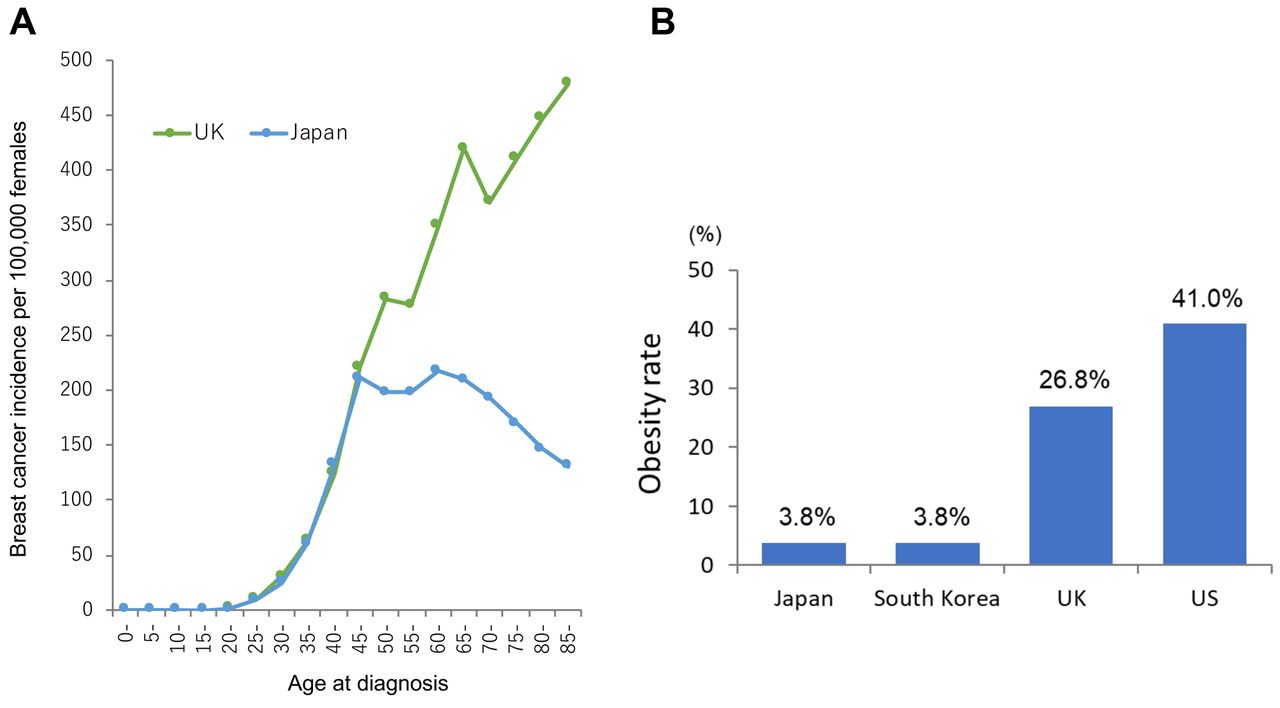
Those who have relatives who've had breast or ovarian cancer are at a higher risk of getting ovarian cancer than other women. Menopause itself is not associated with an increased risk of developing cancer. Having more fat tissue can increase your chance of getting breast cancer by raising estrogen levels. Also, women who are overweight tend to have higher levels of insulin, another hormone. Learn more about breast density.
Dealing With Breast Cancer After Menopause from cdn.aarp.net We know about several gene faults that can increase breast cancer risk and there are tests for some of them. If you have any other question,may i suggest to you to state your own new post by clicking on the green rectangle at the top of the page post a question when you add on an old thread,members assume it's. Although most breast cancer survivors don't get cancer again, they are at higher risk for getting some types of cancer, including: Also, women who are overweight tend to have higher levels of insulin, another hormone. If the woman's reasonable life expectancy is 1 or 2 years, then breast cancer treatment might not make any sense at all, given. All of these involuntary actions tend to change the breast size and shape. The risk is greater if a woman also began menstruating before age 12. It also appears the longer your breast tissue is exposed to estrogen, the greater your breast cancer risk.
You are more likely to have breast pain before menopause than after menopause.also try to cut down on your caffeine intake.best wishes.
The risk is greater if a woman also began menstruating before age 12. If it were, no one would get breast cancer after menopause, when the body's production of estrogen declines by 99%. Breast density is a measure that compares the amount of fatty tissue to the amount of breast tissue on a mammogram. Komen breast cancer foundation explains that as we age, the more likely it is abnormal changes will occur in our cells. So, it's important to look at studies of estrogen and breast cancer risk by menopausal status. Although most breast cancer survivors don't get cancer again, they are at higher risk for getting some types of cancer, including: A pooled analysis of data from 117 studies looked at the age at menopause and breast cancer risk. Starting menopause after age 55 increases a woman's risk of breast cancer and endometrial cancer. Though menopause itself does not cause breast cancer, the chance of developing breast cancer increases the older you get. Having more fat tissue can increase your chance of getting breast cancer by raising estrogen levels. That's probably because she's been exposed to more estrogen. A longer exposure to estrogen increases a woman's risk of breast cancers. During a woman's menstrual cycle, estrogen stimulates the uterus and breast tissue.
Coffee may help prevent prostate cancer, heart risk for men with breast cancer, and more cancer news from january 2021. Before menopause, they are produced mainly in the ovaries. In other words, the tissue becomes less dense, more fatty, and starts to sag. However, the rates of many cancers, including breast cancer, do increase with age. Increased exposure to hormones, such as estrogen increased number of ovulations ovulation occurs when the ovary releases eggs.
Breast Cancer In Lean Postmenopausal Women Might Have Specific Pathological Features In Vivo from iv.iiarjournals.org Applying ice packs or warm compresses. Fibrocystic changes are another common reason for lumpy, painful breasts. Having one of these faulty genes means that you are more likely to get breast cancer than someone who doesn't. Managing postmenopausal breast pain consists of: A woman who experiences menopause after age 55 has an increased risk of ovarian, breast, and uterine cancers. We know about several gene faults that can increase breast cancer risk and there are tests for some of them. Learn more about breast density. These changes can encourage the development of cancer.
But it is not a certainty.
Menopause itself is not associated with an increased risk of developing cancer. Though menopause itself does not cause breast cancer, the chance of developing breast cancer increases the older you get. Although most breast cancer survivors don't get cancer again, they are at higher risk for getting some types of cancer, including: As women get older, they are more likely to be diagnosed with breast cancer. Genetic testing can be done to screen out genes associated with the risk. The risk is greater if a woman also began menstruating before age 12. A woman who experiences menopause after age 55 has an increased risk of ovarian, breast, and uterine cancers. If you have any other question,may i suggest to you to state your own new post by clicking on the green rectangle at the top of the page post a question when you add on an old thread,members assume it's. Those who have relatives who've had breast or ovarian cancer are at a higher risk of getting ovarian cancer than other women. Menopause does not cause cancer, but the risk of developing cancer increases as a woman ages. For women, being overweight or obese after menopause increases the risk of breast cancer. Fibrocystic changes are another common reason for lumpy, painful breasts. In other words, the tissue becomes less dense, more fatty, and starts to sag.