Signs Of Pancreatic Tumors In Dogs / Pancreatic Tumors | VCA Animal Hospital / Depending on the type of tumor, the signs of pancreatic cancer in dogs might be different from case to case.. Benign and malignant tumors in dogs Sometimes, the condition comes on as a side effect to a drug, or after surgery. It is recommended to visit your vet. Adenocarcinomas are characterized as glandular in structure, and/or originating in. The below signs and symptoms are not exclusive to pancreatic cancer, but if your dog displays any of these, be sure to take them to the vet to be checked out.
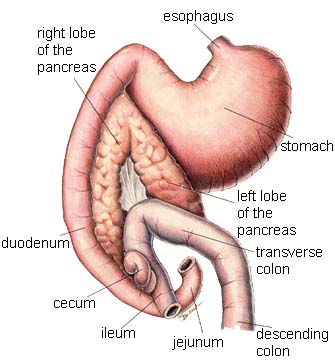
More often, cancer can lead to small changes in blood sugar levels that don't cause symptoms of diabetes but can still be detected with blood tests. Some less common symptoms are vomiting and seizures, and some dogs may even have abdominal hemorrhaging from a necrotic tumor core. Both mixed breeds and pure breeds can be affected by this type of tumor. Some of the symptoms of this type of tumor include: The pancreas lives at the top of the abdomen, nestled up next to the stomach and gallbladder.
Interview With a Veterinarian: What Do I Do When My Dog ... from usercontent1.hubstatic.com An insulinoma is a tumor of the pancreas that affects the regulation of your dog's sugar levels, causing hypoglycemia, also referred to as low blood sugar. Some animals show clinical signs suggestive of pancreatitis. Adenocarcinomas are characterized as glandular in structure, and/or originating in. Diagnosis of pancreatic cancer in dogs your vet will likely try to see if he or she can feel a protruding mass in the abdomen, which can be a symptom of adenocarcinomas in the pancreas. It is the tumor of cells that line blood vessels, but most commonly affects heart, spleen, liver or skin. More often, cancer can lead to small changes in blood sugar levels that don't cause symptoms of diabetes but can still be detected with blood tests. Exocrine tumors include adenomas and adenocarcinomas, and endocrine tumors include insulinomas, gastrinomas, and glucagonomas. Older dogs and ones who are overweight are also more likely to get it.
Symptoms can include feeling thirsty and hungry, and having to urinate often.
More commonly, a fatty meal, like bacon grease or table scraps, triggers it. Symptoms of pancreatic cancer in dogs. The most common pancreatic cancers are pancreatic adenocarcinoma, insulinomas, and gastrinomas. A dog with pancreatic cancer may show signs such as: Pancreatic cancer is a rare disease in dogs. The below signs and symptoms are not exclusive to pancreatic cancer, but if your dog displays any of these, be sure to take them to the vet to be checked out. However, if your dog shows any symptoms such as confusion, loss of appetite and sleep, weakness. The pancreas is an internal organ that is in the abdomen of dogs and most other mammals, including humans. An insulinoma is a tumor of the pancreas that affects the regulation of your dog's sugar levels, causing hypoglycemia, also referred to as low blood sugar. Some of the symptoms of this type of tumor include: Classic signs of pancreatitis in dogs. Primary pancreatic tumors are rare in dogs and cats. Your veterinarian may be able to detect abnormalities in your.
These include stomach pain, loss of appetite, swollen abdomen,. Symptoms include abdominal pain, vomiting and weight loss. Classic signs of pancreatitis in dogs. Primary tumors are when the neoplasm (tumor) develop in the pancreas and secondary tumors are when the cancer has developed in another organ and then spread (metastasized) to the pancreas. Since dogs usually show only mild warning signs, cases of hemangiosarcoma may not be detected until the cancer has reached an advanced stage.
Bloat: The Silent Canine Killer - Wide Open Pets from cdn0.wideopenpets.com The below signs and symptoms are not exclusive to pancreatic cancer, but if your dog displays any of these, be sure to take them to the vet to be checked out. Insulin and blood sugar tests can lead to a preliminary diagnosis of insulinoma. The presentation of dogs and cats with exocrine pancreatic neoplasia is nonspecific, and many cases remain subclinical until late in the disease process. Symptoms can include feeling thirsty and hungry, and having to urinate often. Sometimes, the condition comes on as a side effect to a drug, or after surgery. Read on and get more information on the symptoms, causes, and treatment of pancreatic cancer in dogs. Some of the most common pure breeds at risk are: Abdominal mass that you can see or feel.
Large breed dogs and siamese cats may be predisposed.
In the later stages of pancreatic cancer, dogs may experience a range of other symptoms, depending on what part of their body is affected by the spread of cancer. Without a functioning pancreas, dogs can become weak and suffer neurological problems. An insulinoma is a tumor of the pancreas that affects the regulation of your dog's sugar levels, causing hypoglycemia, also referred to as low blood sugar. Since these tumors often block the bile duct, jaundice is another common sign. Some of these signs include the following: The below signs and symptoms are not exclusive to pancreatic cancer, but if your dog displays any of these, be sure to take them to the vet to be checked out. Abdominal pain cancerous growth in the pancreas is frequently very painful for your pet. The most common pancreatic cancers are pancreatic adenocarcinoma, insulinomas, and gastrinomas. Signs of insulinomas in dogs insulinomas cause the pancreas to produce more insulin and lowers the blood sugar. Additionally, note any behavioral symptoms, such as a decreased appetite, depression, or lethargy. Symptoms can include feeling thirsty and hungry, and having to urinate often. Digestive problems digestive problems and issues with bowel movement are the most noticeable signs of potentially unhealthy pancreas. Benign and malignant tumors in dogs
Symptoms of pancreatic cancer in dogs if your dog is diagnosed as having a pancreatic tumor it means that the cells within a specific part of your pup's pancreas are overproducing (reproducing excessively). Some of the symptoms of this type of tumor include: A dog with pancreatic cancer may show signs such as: Digestive problems digestive problems and issues with bowel movement are the most noticeable signs of potentially unhealthy pancreas. Changes in their consumption of food or water
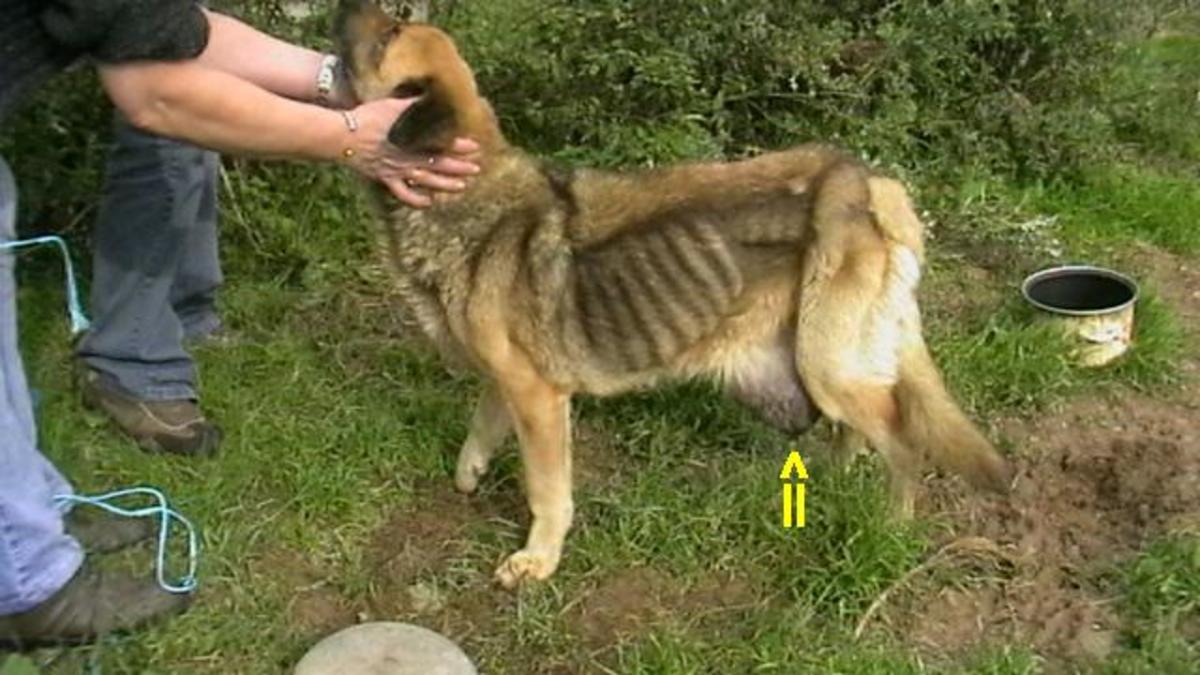
Pancreatic Cancer in Dogs from www.labrador-retriever-guide.com Unfortunately, one of the most common initial signs of hemangiosarcoma involves sudden collapse due to massive internal bleeding, usually from a ruptured spleen. You also may notice your dog hunching its back due to abdominal pain. Your veterinarian may be able to detect abnormalities in your. Some of these signs include the following: This is one of the most dangerous tumors in dogs. Since dogs usually show only mild warning signs, cases of hemangiosarcoma may not be detected until the cancer has reached an advanced stage. Symptoms of pancreatic cancer in dogs canine pancreatic cancer often doesn't cause symptoms until the disease reaches its later stages. However, if your dog shows any symptoms such as confusion, loss of appetite and sleep, weakness.
Sometimes, the condition comes on as a side effect to a drug, or after surgery.
Changes in their consumption of food or water Since the spread will have already taken place once it is diagnosed, it is important to follow the medication or surgery whatever advised by the vet. Abdominal pain cancerous growth in the pancreas is frequently very painful for your pet. Obstructive jaundice may be seen if bile duct obstruction develops. Some of the most common pure breeds at risk are: A dog with pancreatic cancer may show signs such as: Abdominal mass that you can see or feel. Causes of pancreatic cancer (insulinoma) in dogs insulinoma is caused by cancerous growth on the pancreas. However, if your dog shows any symptoms such as confusion, loss of appetite and sleep, weakness. Exocrine tumors include adenomas and adenocarcinomas, and endocrine tumors include insulinomas, gastrinomas, and glucagonomas. You also may notice your dog hunching its back due to abdominal pain. More commonly, a fatty meal, like bacon grease or table scraps, triggers it. Cancer is a malignant tumor that is found in humans and animals, and usually highly malignant, recurrent growth after surgical excision.